
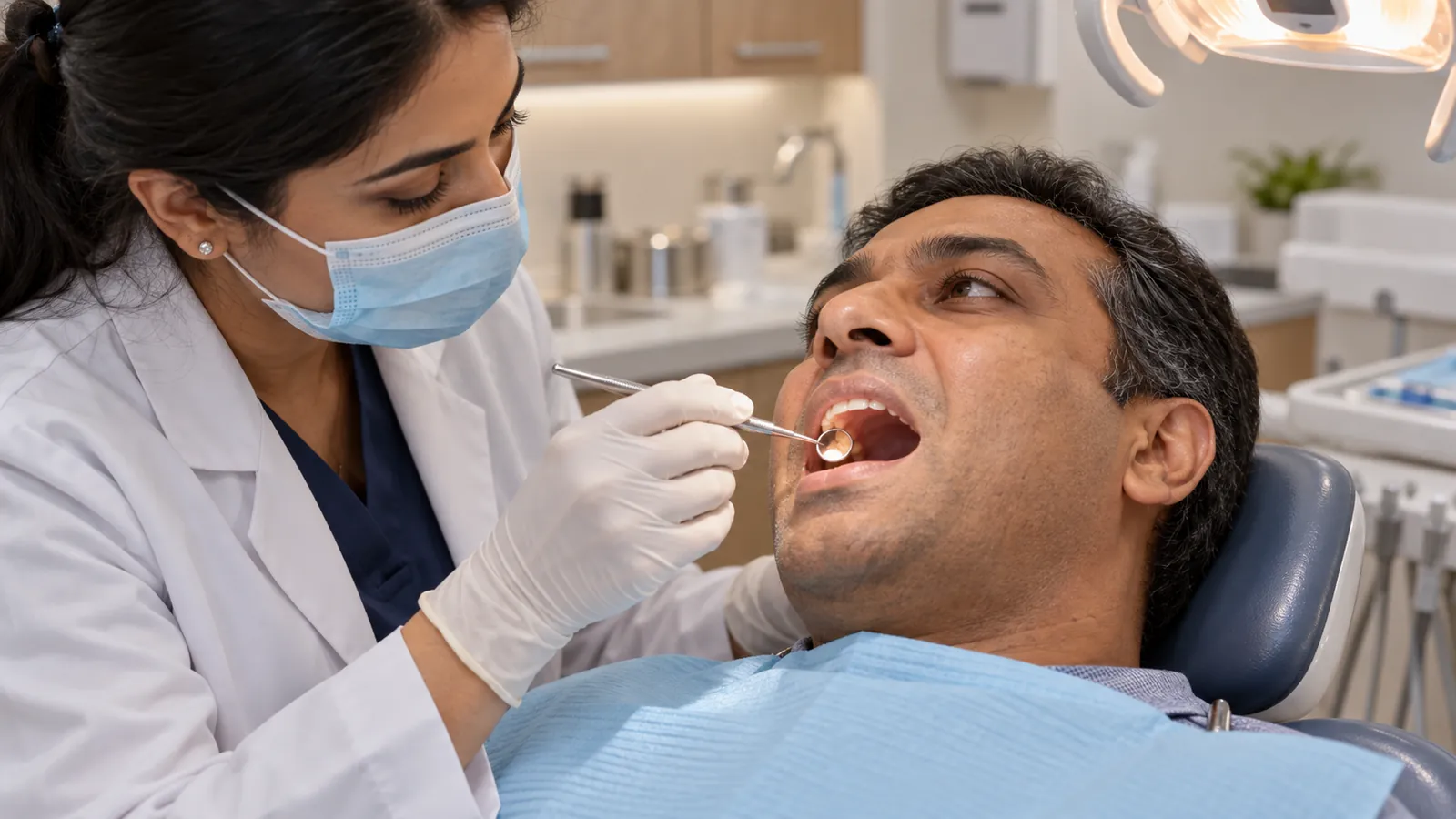
Yes, a tooth may still need root canal treatment after the pain settles. Relief does not establish whether the tissue inside the tooth is healthy or whether an underlying problem remains. A dentist uses your history, examination and appropriate tests or imaging to decide what care is needed.
That does not mean every toothache that disappears requires a root canal. It means the change in symptoms needs to be interpreted, rather than treated as a diagnosis in itself.
If you booked an appointment at Blossom Dental Centre in High River because of a painful tooth, tell the team that the pain has changed before cancelling. The history that prompted the appointment still matters, even when you can now eat or sleep more comfortably.
Why tooth pain can change over time
Tooth pain is not always constant. You may notice it only when biting, drinking something cold or eating something hot. Avoiding that trigger can make the tooth seem better without explaining what caused the sensitivity in the first place.
Pain medicine can also change what you feel. Tell the dentist what you took and when, including any medicine prescribed by another clinician. Do not assume that relief after a tablet shows that the underlying dental problem has been treated.
Changes inside a tooth can affect symptoms too, but you cannot identify those changes from the pattern alone. The statement that disappearing pain always means a nerve has died is too simple. It can lead either to unnecessary alarm or to an incorrect assumption about which treatment is needed.
Write down the sequence while you remember it. When did the pain begin? Was it brief or lingering? Did it wake you up? Did it stop completely or only when you stopped chewing on that side? An accurate timeline gives the dentist more useful information than trying to attach a diagnosis to each stage.
What disappearing pain can and cannot tell you
Pain settling tells you that your symptoms have changed. It does not confirm recovery, rule out infection or establish that a previously recommended procedure is no longer needed.
The American Association of Endodontists’ root canal information explains that treatment addresses problems involving the pulp, the soft tissue within the tooth. Causes can include decay, injury or cracks. The recommendation depends on the clinical condition, not simply how painful the tooth feels that morning.
If a dentist has already recommended a root canal, ask whether the new symptom pattern changes that recommendation. Do not cancel solely because the tooth has become quiet. Equally, if no diagnosis has been made, do not book yourself for a particular procedure based only on something you read online.
A useful question is, “What evidence shows whether the tooth still needs treatment?” That invites an explanation of the findings. It is more informative than asking whether the tooth hurts enough to justify care.
Also report changes that seem minor, such as a new gum bump, altered colour or discomfort when tapping teeth together. Let the clinician decide how those details relate to the rest of the examination.
How a dentist checks the tooth
The assessment begins with the history and an examination of the tooth and surrounding area. The dentist may assess responses to temperature or other tests, check biting or tapping sensitivity and inspect existing fillings, gums and any visible damage.
Imaging may be recommended to investigate the roots, supporting tissues or another concern. Ask what the images show and how that fits with the clinical tests. An X-ray is one part of the assessment, not a universal answer to every question about pulp health.
Sometimes the source of pain is not immediately clear. Explain where you felt it without repeatedly provoking the area yourself. If the dentist needs further observation, additional testing or an endodontic opinion, ask what uncertainty that step is intended to resolve.
Blossom Dental Centre offers assessment for root canal treatment in High River. Bring details about previous treatment on the tooth, an old injury and any recent change in symptoms. If you were seen elsewhere, ask whether the office would benefit from those records.
Before agreeing to treatment, request the diagnosis in plain language. You should understand which tooth is involved, what has been found and why the proposed care follows from those findings.
When root canal treatment may be considered
Root canal treatment may be recommended when the internal condition of a tooth requires it and the tooth can be retained and restored appropriately. It involves treating the canal system inside the tooth; it is not simply a procedure reserved for teeth that are currently causing severe pain.
The dentist also needs to consider whether the remaining tooth can support a lasting restoration. Ask about the whole plan, including the restoration after root canal treatment, rather than viewing the canal procedure as the only decision.
Blossom Dental Centre’s guide to what happens during root canal treatment explains the procedure more broadly. During your assessment, focus on why it is being considered for this tooth and what other options are realistic.
If the diagnosis points to a different problem, another treatment or monitoring may be recommended instead. If the tooth cannot be restored, ask why and discuss the alternatives, including the implications of extraction and any replacement planning. No treatment can be promised before the condition is understood.
Antibiotics are a separate question. The American Dental Association’s guidance on dental pain and swelling prioritizes appropriate dental treatment for many localized pulpal and related conditions. Antibiotics do not replace necessary treatment of the tooth. Take them only when prescribed for your situation, and do not use leftovers to see whether the problem settles.
What symptoms need prompt attention
Seek emergency medical help for difficulty breathing or swallowing, major swelling involving the mouth, face or neck, or swelling affecting the eye. Call 911 for an immediate threat to breathing or safety. Do not wait for a routine appointment or an email reply in those circumstances.
Contact a dental professional promptly for swelling, fever, worsening pain, a new gum bump or discharge, or difficulty chewing. Tell the team if you feel unwell or if symptoms are spreading. These details can affect the urgency even when the original toothache has eased.
The NHS dental abscess guidance describes these warning signs. They do not establish the diagnosis on their own, but they are reasons to seek urgent care.
If you have already spoken with the office, call again when symptoms change. Advice given when there was only intermittent sensitivity may need to be updated if swelling or fever develops. Keep any recommended assessment even if the symptoms fluctuate again before the appointment.
Questions to ask about the diagnosis and options
Understanding why treatment is recommended can be especially difficult when you no longer feel pain. Ask the dentist to connect the recommendation to the examination and test results.
- What is the diagnosis, and which findings support it?
- Does the change in pain alter the plan?
- Are any further tests or a specialist opinion needed?
- Can the tooth be restored after treatment?
- What are the suitable alternatives and their trade-offs?
- What could happen if I delay the recommended care?
- What restoration and follow-up would be needed afterward?
- What does the estimate cover, and are further appointments included?
Ask for instructions about eating, cleaning and managing discomfort while waiting. If you are unsure about a medication, check with the dentist or pharmacist rather than adding another product yourself.
Mention anxiety, previous difficulty getting numb or a demanding work schedule before treatment begins. These concerns deserve discussion, and raising them early helps the team explain the plan. You can ask for information without having to minimize either your worries or the earlier pain.
If monitoring is advised, clarify when the tooth will be reassessed and which changes should prompt an earlier call. “Keep an eye on it” is easier to follow when you know what you are watching for and who to contact.
Frequently Asked Questions
Does pain relief prove the infection is gone?
No. Pain relief does not establish whether infection was present or whether a diagnosed problem has resolved. Tell the dentist how symptoms changed and follow the assessment or treatment advice. Do not use the response to pain medicine as a test of recovery.
Can a tooth need treatment without pain?
Yes. A tooth’s condition may require care even when it is comfortable. The type of treatment depends on the diagnosis. Lack of pain alone neither rules out root canal treatment nor proves that it is needed.
Will an X-ray alone answer every question?
No. Imaging is interpreted alongside your history, examination and clinical tests. Ask what each finding contributes and whether anything remains uncertain. Additional assessment may be appropriate when the results do not yet provide a clear answer.
Can antibiotics replace treatment of the tooth?
No. When dental treatment is needed to address the source, antibiotics are not a substitute. A clinician decides whether they are indicated in addition to other care. Do not start leftover medication or change a prescription without advice.
What if the tooth cannot be restored?
Ask the dentist to explain the finding that prevents restoration and the available alternatives. If extraction is recommended, discuss follow-up and replacement choices where appropriate. The decision should consider the whole tooth, not only whether root canal treatment can be performed.
Discuss Your Questions With Blossom Dental Centre
If a toothache has faded but the cause has not been assessed, contact Blossom Dental Centre in High River. Explain the full symptom history, including the improvement. The aim is to understand the tooth’s condition and choose appropriate care, rather than waiting for pain to make the decision for you.