
Choosing between Invisalign and traditional braces is one of the most common decisions patients face when starting orthodontic treatment. Both options can straighten teeth and improve your bite. But they work differently, suit different lifestyles, and come with different trade-offs. As a dentist, I find that the right choice depends on more than just the complexity of your case. It also depends on who you are and how you live. This guide breaks down the key differences so you can approach your consultation at Blossom Dental Centre feeling informed and ready.
How Each Treatment Works
Traditional braces use metal brackets bonded to the teeth, connected by wires and small elastic bands. The wire is tightened at regular intervals to apply consistent pressure. The teeth move gradually in response.
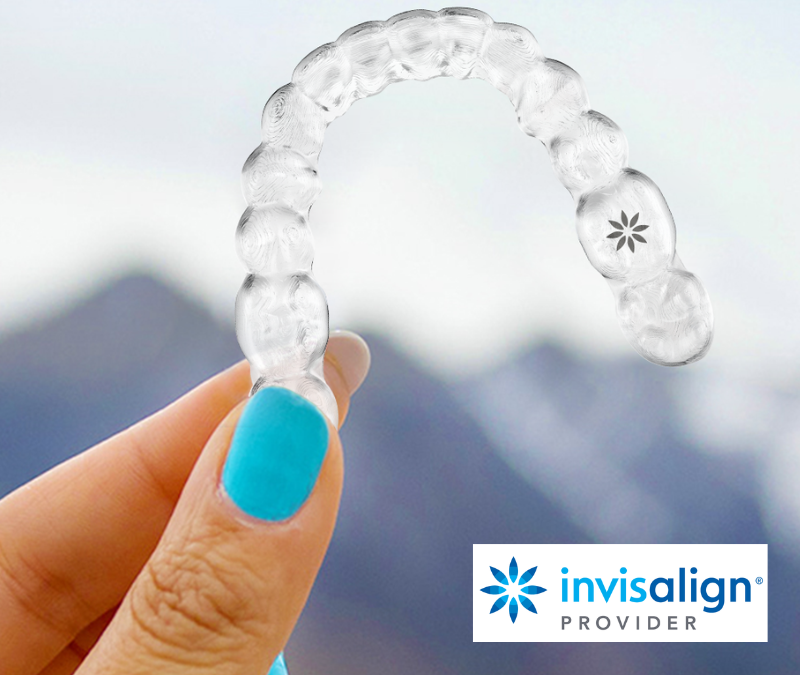
Invisalign uses a series of custom-made, removable clear aligners. Each set is worn for about one to two weeks before advancing to the next. The aligners apply gentle, targeted pressure to shift teeth in a carefully planned sequence. Treatment is mapped out digitally from the start, which means you can often see a projected outcome before you even begin.
Both systems work through the same biological principle: controlled, steady pressure moves teeth through bone over time. The difference is in how that pressure is applied and what the experience looks like day to day.
Treatment Effectiveness: What Each Option Handles Best
Where Traditional Braces Have the Advantage
Traditional braces remain the gold standard for complex orthodontic cases. They are fixed to the teeth, which means the force is continuous and precise. For significant bite correction, severe crowding, or cases involving tooth rotation and vertical movement, braces often deliver more predictable results.
Braces are also the preferred option for younger patients whose compliance with removable aligners cannot be guaranteed. When the hardware is attached, the treatment works whether the patient is cooperative or not.
Cases where braces tend to be more effective include severe overcrowding with limited arch space, significant overbites or underbites requiring substantial jaw correction, teeth that need precise rotation or extrusion, and patients who are unlikely to wear aligners consistently.
Where Invisalign Performs Exceptionally Well
Invisalign has come a long way since its early limitations. Modern aligner technology can address a wide range of orthodontic issues that previously required braces. Mild to moderate crowding, spacing, and gaps respond very well to Invisalign treatment. Many bite issues, including overbites and crossbites, can also be corrected effectively.
Invisalign also performs well for adult patients looking to close post-braces relapse, where teeth have shifted slightly after previous orthodontic work. For these cases, the treatment timeline is often shorter and the process feels familiar.
The key variable is compliance. Invisalign requires 20 to 22 hours of daily wear to be effective. Patients who commit to that schedule consistently achieve excellent outcomes. Patients who do not will see slower progress or incomplete results.
At Blossom Dental Centre, we assess each case carefully before recommending one option over the other. There is no universal answer, and a thorough clinical evaluation is always the starting point.
Lifestyle Considerations: Daily Life With Each Option
This is where many patients make their final decision. Both treatments work. But one may suit your lifestyle significantly better than the other.
Appearance
Invisalign aligners are nearly invisible. Most people will not notice them in conversation or photographs. For adults in professional settings, or for teens who feel self-conscious about their appearance, this is often a decisive factor.
Traditional braces are visible. Metal brackets and wires are noticeable, though tooth-coloured ceramic braces are available as a more discreet alternative. Ceramic braces still involve brackets on the teeth but blend more naturally with tooth colour.
Dietary Restrictions
This is one of the clearest practical differences between the two options. With traditional braces, certain foods are off-limits for the entire duration of treatment. Hard, sticky, crunchy, and chewy foods can bend wires, dislodge brackets, or damage the hardware. Patients typically avoid things like popcorn, hard candy, caramel, nuts, and raw vegetables cut into large pieces.
With Invisalign, there are no dietary restrictions at all. Aligners are removed before eating, so patients can enjoy any food they like. The only requirement is that teeth are brushed before reinserting the aligners. This prevents food and bacteria from being trapped against the teeth.
Oral Hygiene
Maintaining oral hygiene with braces requires more effort. Brackets and wires create additional surfaces where plaque can accumulate. Special tools like interdental brushes, floss threaders, and water flossers are often recommended. Without diligent cleaning, patients with braces are at higher risk of decalcification, which can leave permanent white spots on the enamel after treatment.
Invisalign makes oral hygiene straightforward. Aligners come out for brushing and flossing, so the routine remains essentially the same as before treatment. Aligners themselves should be rinsed and cleaned daily to prevent bacteria and odour buildup, but the process is simple.
Comfort
Both options cause some discomfort when teeth are actively moving. Braces can cause irritation to the cheeks and lips, especially after adjustments when wires are tightened. Dental wax can help protect soft tissue, but some sensitivity is expected throughout treatment.
Invisalign aligners have smooth edges and no protruding hardware. Discomfort tends to occur in the first day or two after switching to a new set, and then subsides as the teeth adjust. Many patients find the overall experience more comfortable than braces, though individual responses vary.
Treatment Duration: How Long Does Each Option Take?
Treatment length depends heavily on the complexity of the case rather than the type of treatment. That said, there are some general patterns.
Traditional braces typically range from 18 months to 3 years for comprehensive orthodontic treatment. More complex cases naturally take longer.
Invisalign treatment for mild to moderate cases often falls between 6 and 18 months. More complex aligner cases can extend to 24 months or beyond. For straightforward spacing or crowding issues in adults, Invisalign can sometimes achieve results faster than braces because the digital planning process allows for a streamlined sequence of movements.
One important note is that Invisalign treatment duration is directly tied to compliance. Consistent wear keeps the teeth tracking on schedule. Inconsistent wear extends the timeline and may require additional aligner sets, called refinements, to get the teeth back on course.
Appointment Frequency
With traditional braces, adjustment appointments are typically scheduled every four to six weeks. At each visit, the wire is tightened or changed to continue progressing treatment. Missing appointments can slow progress, as the wire loses its active tension over time.
Invisalign appointments tend to be less frequent, often every six to eight weeks. At check-in visits, the dental team confirms that the teeth are tracking properly with the aligners and releases the next sets of aligners. Because the treatment is planned digitally in advance, many of these appointments are shorter and more routine.
For patients with busy schedules, fewer required appointments is a meaningful advantage.
Cost Considerations
The cost of Invisalign and traditional braces is often similar in Canadian dental practices, though this varies by case complexity and location. Invisalign treatment has become more competitively priced over the years. Many dental insurance plans that cover orthodontic treatment will apply the same benefit to either option.
The best way to get an accurate comparison is to request a full treatment quote during your consultation. At Blossom Dental Centre in High River, we walk patients through the full cost picture, including what is covered under their plan and what payment options are available.
So Which Option Is Right for You?
Here is a simple way to think about it. Invisalign tends to be the better fit if you are an adult or older teen with mild to moderate orthodontic needs, you value aesthetics and discretion, you have a strong daily routine and can commit to consistent wear, you want fewer and shorter appointments, and you prefer flexibility around food and oral hygiene.
Traditional braces tend to be the better fit if your case involves complex bite correction or severe crowding, you are treating a younger patient where compliance is uncertain, or cost is the primary concern and a simpler brace option is available.
Some cases fall clearly into one category. Others are genuinely suitable for either option, and the choice comes down to personal preference.
Start With a Consultation at Blossom Dental Centre
The only way to know for certain which treatment suits your situation is through a proper clinical assessment. Blossom Dental Centre, located at 134C Macleod Trail SW in High River, Alberta, offers consultations for both Invisalign and traditional braces. Our team takes the time to review your bite, your goals, and your lifestyle before making any recommendation.
We are open Monday through Saturday from 9:00 am to 5:00 pm. You can reach us at 825-212-0406 or by email at [email protected]. We would be happy to help you take the first step toward a straighter, healthier smile with confidence.