
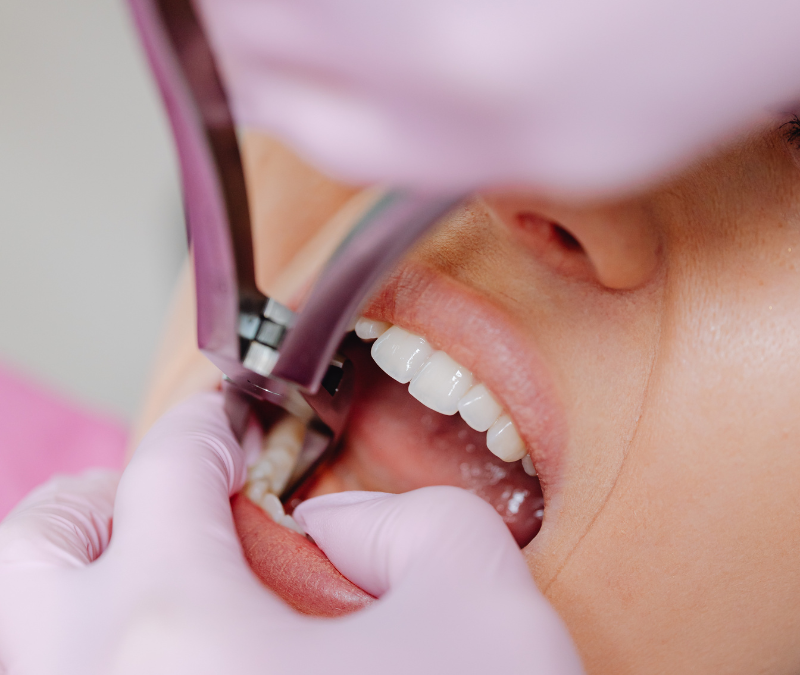
Nobody wants to hear they need a tooth pulled. As a dentist practising in High River, I understand the anxiety that comes with the possibility of losing a natural tooth. However, High River teeth extractions are sometimes the best option for your overall oral health. The good news? We work hard to save your teeth whenever we can.
Let me walk you through when extraction becomes necessary, how we make that decision, and what alternatives might be available.
Understanding When Extraction Becomes the Right Choice
Tooth extraction isn’t our first choice. In fact, we always explore every option to preserve your natural teeth. But certain conditions make removal the healthiest path forward.
Severe Tooth Decay
When decay reaches deep into a tooth, it can destroy too much structure to repair. If the damage extends far below the gum line or affects the tooth’s root, a filling or crown won’t work. At this stage, the tooth cannot support a restoration. Leaving it in place risks infection spreading to surrounding teeth and bone.
Advanced Gum Disease
Gum disease can loosen teeth by destroying the bone that holds them in place. When periodontitis reaches an advanced stage, teeth become mobile and painful. If the supporting bone loss is severe, the tooth cannot be stabilized. In these cases, High River teeth extractions prevent further bone loss and allow for better treatment of the gum disease itself.
Overcrowding and Orthodontic Needs
Sometimes healthy teeth need removal to create space. This often happens before braces or other orthodontic treatment. When your jaw doesn’t have enough room for all your teeth, removing one or two can prevent crooked teeth and bite problems. This type of strategic extraction leads to better long-term results.
Impacted Wisdom Teeth
Wisdom teeth frequently cause problems because they don’t have space to emerge properly. They can grow sideways, remain trapped under the gums, or partially erupt and trap food and bacteria. These situations often lead to pain, infection, and damage to neighbouring teeth.
Fractured Teeth Beyond Repair
Accidents happen. A tooth cracked below the gum line or split vertically down the root usually cannot be saved. The fracture allows bacteria to enter, and the tooth structure cannot be restored to function properly.
How We Determine If a Tooth Can Be Saved
At Blossom Dental Centre, we don’t recommend High River teeth extractions lightly. We follow a careful assessment process.
First, we take detailed X-rays to see what’s happening beneath the surface. These images show us the extent of decay, the condition of the roots, and the health of surrounding bone. We examine how much healthy tooth structure remains and whether it can support a restoration.
Next, we consider the tooth’s function and position. A molar that helps you chew deserves extra effort to save compared to a tooth that serves little purpose. We also evaluate your overall oral health, medical history, and personal goals.
Then we discuss realistic outcomes with you. Can we save the tooth for five years? Ten years? Or will it likely fail within months, requiring another procedure? Honest conversations about prognosis help you make informed decisions.
Alternatives to Extraction Worth Exploring
Before recommending removal, we explore several preservation options.
Root Canal Therapy
When decay or infection reaches the tooth’s pulp, a root canal can often save it. We remove the infected tissue, clean the inner chambers, and seal the tooth. A crown placed afterward protects and strengthens the remaining structure. Success rates for root canals are high when caught in time.
Crown Lengthening
If decay extends slightly below the gum line, we can sometimes perform crown lengthening. This procedure reshapes the gum and bone to expose more tooth structure. The exposed area then provides enough healthy tooth for a crown to attach securely.
Periodontal Treatment
Early to moderate gum disease responds well to deep cleaning procedures. Scaling and root planing remove bacteria and tartar from below the gum line. With proper home care afterward, many patients avoid tooth loss entirely.
Splinting
Slightly loose teeth can sometimes be stabilized by bonding them to neighbouring teeth. This technique works when bone loss is moderate and the patient commits to excellent oral hygiene and regular maintenance.
When Preservation Isn’t Possible
Sometimes, despite our best efforts, High River teeth extractions become necessary. This isn’t a failure. It’s choosing the healthiest option for your long-term oral health.
A tooth with a vertical root fracture cannot be repaired. The crack allows constant bacterial invasion. Similarly, a tooth with extensive bone loss will continue causing problems even if we manage to keep it temporarily.
In these situations, removing the problematic tooth allows us to focus on replacement options. Modern dental implants, bridges, and partial dentures restore function beautifully. They also prevent the shifting and bone loss that occurs when gaps are left untreated.
What to Expect from Our Team
Here at Blossom Dental Centre in High River, we prioritize your comfort and understanding. If extraction becomes necessary, we explain exactly what will happen and answer all your questions. We offer various sedation options to ease anxiety.
We also discuss replacement options before the extraction, so you have a complete treatment plan. Whether you choose an implant, bridge, or partial denture, we help you maintain a healthy, functional smile.
Most importantly, we see High River teeth extractions as a last resort, not a quick fix. Our goal is always to help you keep your natural teeth for life whenever possible.
Making the Right Decision Together
Deciding whether to extract or save a tooth requires balancing multiple factors. We consider the tooth’s condition, your overall health, treatment costs, and your personal preferences. Some patients prefer aggressive treatment to save every tooth. Others want the most straightforward, reliable solution.
Both approaches are valid. What matters is that you receive honest information and professional guidance to make the choice that’s right for you.
If you’re experiencing tooth pain or have concerns about a damaged tooth, contact us at Blossom Dental Centre. You can contact our High River location at 825-212-0406 or email [email protected]. We’re located at 134 C Macleod Trail SW, High River, AB, T1V 1M9, and we’re open Monday to Saturday from 9:00am to 5:00pm.
Together, we’ll evaluate your situation and explore every option to protect your smile. Sometimes that means saving a tooth through advanced treatment. Other times, it means choosing extraction for better long-term health. Either way, you’ll have the information and support you need to move forward with confidence.