
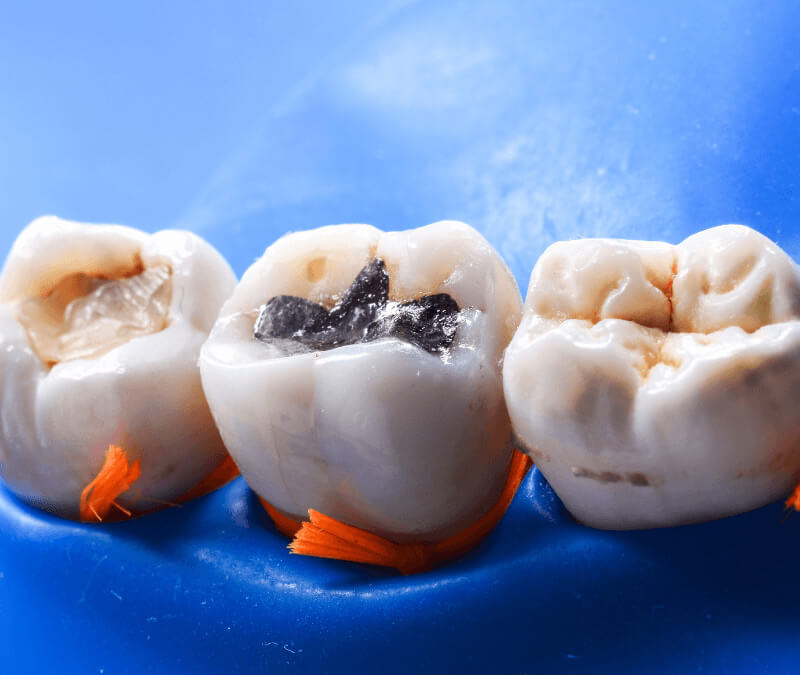
Experiencing tooth sensitivity after getting fillings is more common than you might think. As a dentist at Blossom Dental Centre in High River, I regularly help patients understand and manage sensitivity following dental restorations. While fillings effectively treat cavities and restore tooth function, some temporary sensitivity is normal. Understanding why this happens and knowing when to seek help makes the recovery process much easier.
Why Teeth Become Sensitive After Fillings
Tooth sensitivity after fillings occurs for several reasons. The dental procedure itself can temporarily irritate the nerve inside your tooth. When decay is removed and fillings are placed, the tooth experiences minor trauma. This trauma can make the nerve more reactive to temperature changes and pressure.
The depth of the cavity plays a significant role in post-filling sensitivity. Deeper cavities that come close to the tooth’s nerve often result in more sensitivity. The closer the filling material sits to the nerve, the more likely you’ll experience discomfort initially.
The type of filling material can also influence sensitivity levels. Composite resin fillings require a bonding process that involves etching the tooth surface. This process can temporarily increase sensitivity. Metal amalgam fillings conduct temperature differently than natural tooth structure, which some patients notice more than others.
Common Triggers for Sensitivity After Fillings
Hot and cold beverages often trigger the most noticeable sensitivity after fillings. Your morning coffee or evening ice cream might cause sharp, brief pain. This reaction happens because temperature changes reach the tooth’s nerve more easily after dental work.
Sweet foods and drinks can also cause discomfort following fillings. Sugar creates an osmotic effect that can stimulate nerve endings in the tooth. Many patients notice this sensitivity when eating candy or drinking sweetened beverages.
Biting pressure sometimes triggers sensitivity, especially if the filling sits slightly high. When your bite doesn’t align perfectly, certain teeth receive more pressure than others. This uneven distribution can cause ongoing discomfort that worsens with chewing.
Cold air can be another unexpected trigger for sensitive teeth after fillings. Breathing through your mouth on cold Alberta winter days might cause sharp pain. This sensitivity often surprises patients who don’t anticipate air temperature affecting their teeth.
Normal Adjustment Period vs. Problematic Sensitivity
Understanding the difference between normal healing and problematic sensitivity helps you know when to contact Blossom Dental Centre. Normal post-filling sensitivity typically improves gradually over 2-4 weeks. The discomfort should become less frequent and less intense as days pass.
Normal sensitivity characteristics include brief, sharp pain that resolves quickly. The discomfort should only occur when exposed to specific triggers. Between triggering events, your tooth should feel comfortable and pain-free.
Problematic sensitivity shows different patterns that require professional attention. Pain that worsens over time instead of improving signals a potential issue. Constant, throbbing pain that persists without triggers needs immediate evaluation.
Sensitivity that prevents you from eating or drinking normally requires professional assessment. If you find yourself avoiding entire food groups or struggling with daily activities, contact our High River office. These symptoms might indicate that the filling needs adjustment or that the tooth requires additional treatment.
Severe pain when biting down often means the filling sits too high. This problem is easily fixed with a simple bite adjustment. Don’t wait and hope it improves on its own, as this can lead to additional complications.
Treatment Solutions for Sensitive Teeth After Fillings
At Blossom Dental Centre, we offer several effective solutions for managing sensitivity after fillings. The right treatment depends on the cause and severity of your discomfort.
Desensitizing Toothpaste
Desensitizing toothpaste provides relief for many patients experiencing mild to moderate sensitivity. These special toothpastes contain compounds that block sensation transmission from the tooth surface to the nerve. Potassium nitrate is the most common active ingredient in these products.
For best results, use desensitizing toothpaste twice daily for at least two weeks. Some patients find relief within a few days, while others need longer. You can also apply a small amount directly to the sensitive area before bed for enhanced effectiveness.
Professional Fluoride Treatments
Professional fluoride treatments strengthen tooth enamel and reduce sensitivity effectively. At our High River practice, we apply concentrated fluoride varnish directly to sensitive areas. This treatment creates a protective barrier and helps remineralize the tooth surface.
Fluoride treatments work particularly well for sensitivity around filling margins. The concentrated fluoride penetrates microscopic gaps and strengthens the tooth structure. Most patients notice improvement within a few days of treatment.
Bite Adjustments for Fillings
High fillings are one of the easiest sensitivity problems to fix. If your filling feels high when you bite down, a simple adjustment solves the issue. We carefully reshape the filling surface to match your natural bite pattern.
This quick procedure takes only a few minutes and provides immediate relief. Many patients feel the difference as soon as the adjustment is complete. Proper bite alignment prevents ongoing stress on the tooth and surrounding structures.
Additional Treatment Options
For persistent sensitivity that doesn’t respond to conservative treatments, we explore other options. Dental bonding can seal exposed areas around fillings. Root canal therapy becomes necessary if the tooth’s nerve is irreversibly damaged.
In rare cases, replacing the filling with a different material resolves sensitivity issues. Some patients respond better to certain filling materials than others. We work with you to find the most comfortable and effective solution.
When to Contact Blossom Dental Centre
Don’t hesitate to contact our office if sensitivity concerns you. We’d rather evaluate your tooth and provide reassurance than have you suffer unnecessarily. Call us at 825-212-0406 if you experience worsening pain, constant discomfort, or sensitivity that interferes with daily life.
Your comfort matters to us, and we’re here to help you through the healing process. Most sensitivity after fillings resolves with time and proper care. However, when problems arise, prompt attention prevents complications and ensures your long-term oral health.